Understand Mechanism of GLP-1Based Medications For Weight Loss
See how GLP-1 medications affect hunger, fullness, digestion, and blood sugar to support weight loss alongside healthy habits.

Medically Reviewed by:
Dr. Jonathan C. Miller, MD | Dr. Benjamin Krasne, MD
Mechanism of GLP-1 Medications
Key Highlights
- GLP-1 medications mimic natural GLP-1 and activate receptors involved in appetite, digestion, and blood sugar regulation.
- They can reduce hunger, increase fullness, reduce food intake, and slow gastric emptying.
- GLP-1 receptor activation also helps regulate insulin and glucagon when blood glucose rises.
- Obesity can involve biological changes that increase hunger and reduce energy expenditure during weight loss, making long-term weight management more difficult.
- GLP-1 medications are generally used alongside healthy eating and physical activity rather than replacing lifestyle changes.
- Eligibility depends on the specific medication, BMI, weight-related health conditions, medical history, medications, and individual treatment goals.
- Common side effects include nausea, vomiting, diarrhea, constipation, and abdominal pain.
- Semaglutide, liraglutide, and tirzepatide differ in their mechanisms, approved uses, dosing, and safety considerations.
- Weight-loss results vary by medication, dose, treatment duration, study population, and individual response; clinical-trial averages do not guarantee individual results.
GLP-1 receptor agonists are medications that mimic the effects of the natural GLP-1 hormone in your body. They can help reduce hunger, increase feelings of fullness, slow gastric emptying, and regulate blood sugar. But how exactly do they work, and why can they help with weight loss?
To understand how these medications work, let's first look at what natural GLP-1 does inside your body and what changes when you are living with obesity.
After you eat, your gut releases GLP-1 in response to nutrients from your food. This hormone then sends signals to different parts of your body, including your pancreas, stomach, and brain, helping regulate blood sugar, digestion, hunger, and fullness.
So, when you take a GLP-1 receptor agonist, you are essentially activating some of the same pathways that your natural GLP-1 uses. But for much longer.
Let's break down exactly what happens.
Understand How Your Natural GLP-1 Hormone Works
GLP-1 receptor agonists are medications that mimic the effects of the natural GLP-1 hormone in your body. They can help reduce hunger, increase feelings of fullness, slow gastric emptying, and regulate blood sugar. But how exactly do they work, and why can they help with weight loss?
To understand how these medications work, let's first look at what natural GLP-1 does inside your body and what changes when you are living with obesity.
After you eat, your gut releases GLP-1 in response to nutrients from your food. This hormone then sends signals to different parts of your body, including your pancreas, stomach, and brain, helping regulate blood sugar, digestion, hunger, and fullness.
So, when you take a GLP-1 receptor agonist, you are essentially activating some of the same pathways that your natural GLP-1 uses. But for much longer.
Let's break down exactly what happens.
GLP-1 is a hormone produced by L-cells in the gut. It is released at low levels between meals, but its secretion increases significantly after you eat. This hormone binds to GLP-1 receptors located in different parts of the body, including the pancreas, brain's central nervous system (CNS), gastrointestinal tract, heart and blood vessels, kidneys, lungs, and certain white blood cells (WBCs).
After you eat, blood sugar levels rise as nutrients are absorbed into the bloodstream. These nutrients also reach the L-cells in the gut, stimulating the release of GLP-1.
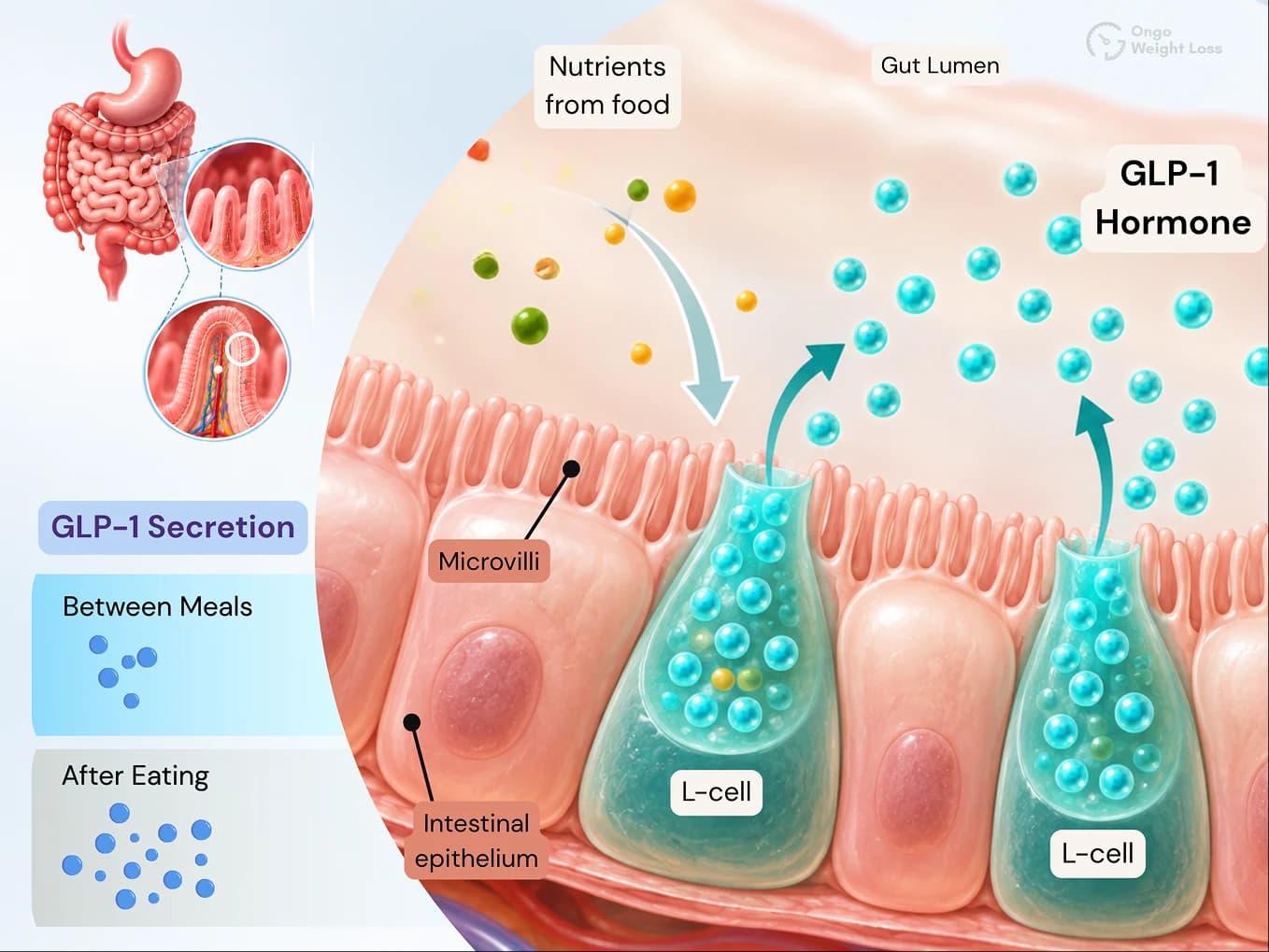
In response to the rise in blood sugar, GLP-1 interacts with β-cells in the pancreas to stimulate insulin release. At the same time, it acts on α-cells to suppress glucagon release, reducing the signal for the liver to release additional glucose into the bloodstream.
GLP-1 also acts on receptors in the brain, including areas involved in appetite regulation. This can promote feelings of fullness and satiety, reduce hunger and food cravings, and help regulate how much you eat.
The body responds differently when you are fasting and blood sugar levels are low. GLP-1 secretion decreases, resulting in less GLP-1-driven stimulation of insulin release. Meanwhile, glucagon is no longer suppressed to the same extent. This allows glucagon to signal the liver to release stored glucose into the bloodstream, helping maintain blood sugar levels between meals and preventing them from dropping too low.
But the catch is that hunger signals can become intense. As GLP-1 levels fall between meals, the brain receives fewer satiety signals while hunger-promoting signals can become more noticeable. Your stomach may feel empty, food may become more appealing, and cravings can make it harder to maintain a calorie deficit consistently.
%201B.webp&w=3840&q=75&dpl=dpl_Cdu1qpXknd8zKmtyhVyFYs3LvzN9)
How Obesity Makes It Hard to Lose Weight?
When you are living with obesity, your body does not simply store extra fat. The increased amount of body fat can also affect the hormones and signals that help regulate hunger, fullness, and energy balance.
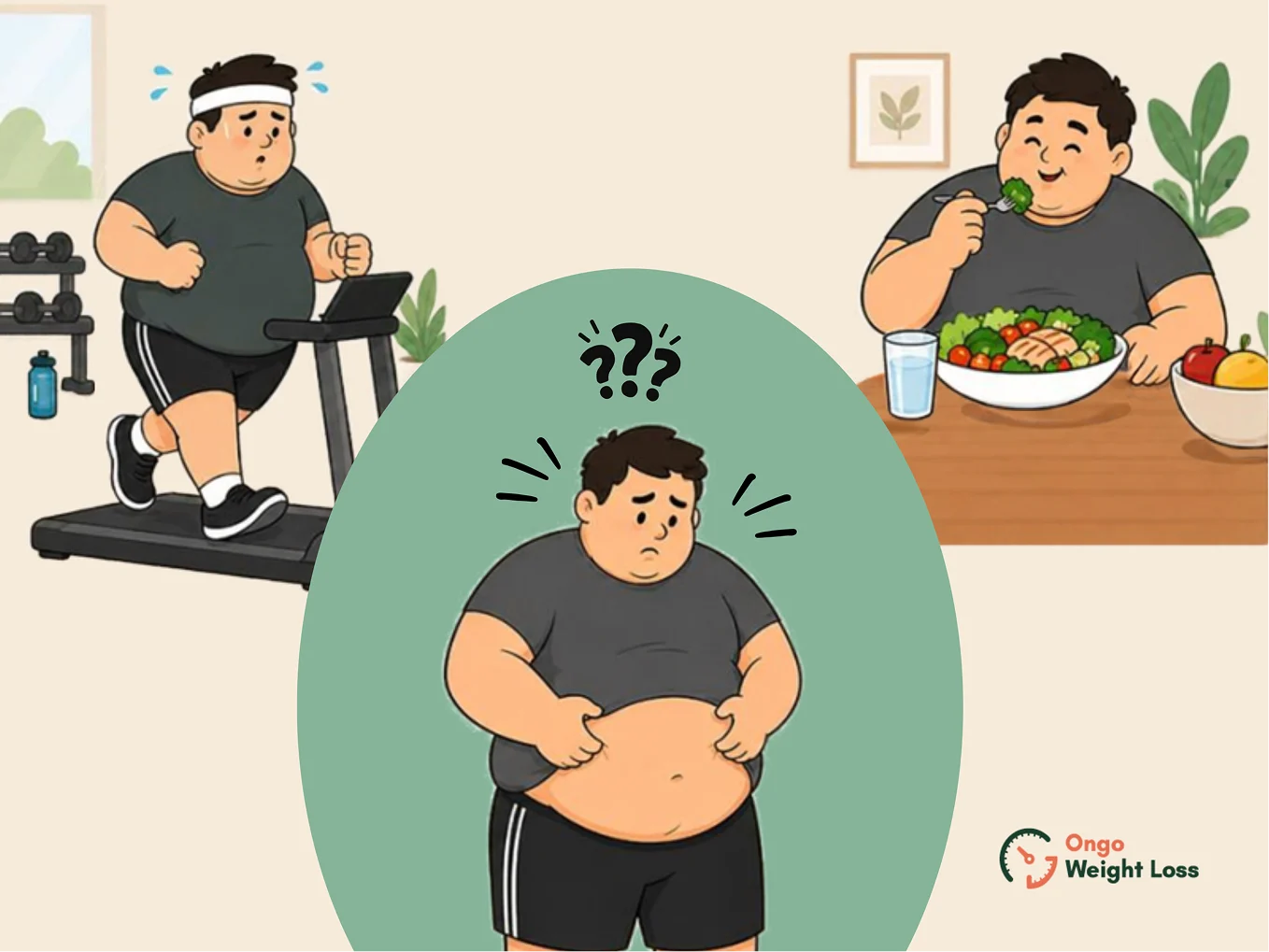
For example, leptin is a hormone produced by fat cells that normally signals the brain that the body has sufficient energy stored. With obesity, leptin levels are often elevated, but the brain may become less responsive to its signal. This is known as leptin resistance. So, even though there is plenty of leptin in the body, the brain may not respond to the signal as effectively.
At the same time, signals from your gut, brain, pancreas, and fat tissue work together to regulate how hungry or full you feel. With obesity, some of these signals can become altered, which may make it harder for the brain to respond appropriately to feelings of fullness.
When you try to lose weight and start eating less, your body also senses that less energy is coming in. In response, it can increase hunger signals and reduce some signals that promote fullness. For example, levels of ghrelin, a hormone that stimulates hunger, may increase during weight loss.
Your body may also respond by reducing the amount of energy it uses. As you lose weight, your energy requirements decrease, and your body can adapt by becoming more efficient with the energy available.
Together, these changes can increase hunger, reduce energy expenditure, and make it easier to regain lost weight.
This is one reason why losing weight is not simply about “eating less and exercising more.” Your body has several biological systems that continuously work to maintain energy balance, and these systems can make sustained weight loss difficult.
So, Where Do GLP-1 Medications Come In? How Do They Work?
Because your natural GLP-1 is released in relatively small amounts and is broken down very quickly, its effects on insulin, glucagon, and appetite are relatively short-lived. As GLP-1 levels fall, hunger signals can start rising again, causing stronger cravings and what many people describe as "food noise." This can make it much harder to stick to a calorie deficit over time, even when you are trying to follow your diet consistently.
Also, when you are dieting or eating less, your natural GLP-1 response may not provide strong or long-lasting enough satiety signals to keep you feeling full. This is where GLP-1 receptor agonists come in.
%20A.webp&w=3840&q=75&dpl=dpl_Cdu1qpXknd8zKmtyhVyFYs3LvzN9)
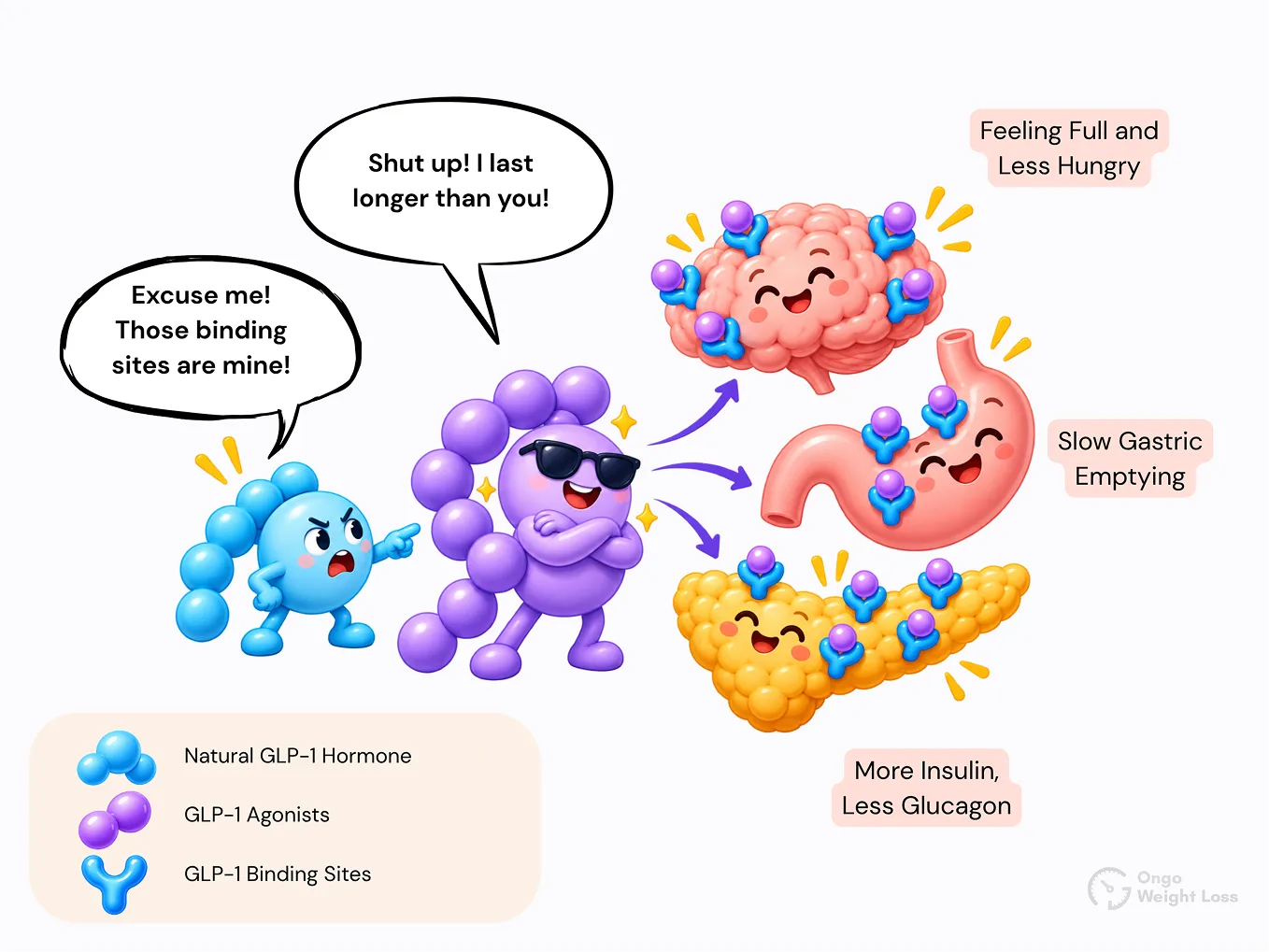
What GLP-1 medications like Wegovy® and Ozempic® do is provide a longer-lasting way to activate GLP-1 receptors. In simple words, GLP-1 receptor agonists are medications that mimic some of the actions of the naturally occurring GLP-1 hormone in your body. Unlike natural GLP-1, which is broken down quickly, these medications are designed to remain active in the body for much longer.
So, even when you are eating less, GLP-1 receptor agonists can continue sending stronger satiety signals to your brain, helping you feel fuller and reducing hunger and food cravings.
At the same time, they continue to influence your blood-sugar pathway. When blood glucose is elevated, they help stimulate insulin release and reduce glucagon release. When glucose levels are low, their effects on insulin and glucagon become more limited. This allows your body's normal glucose-regulation system to respond according to your blood-sugar levels.
And when your body needs additional energy between meals, glucagon can signal the liver to release stored glucose from glycogen. But glycogen is not stored fat. It is the body's stored form of glucose. Once glycogen stores are being used and you maintain a calorie deficit, your body can increasingly turn to stored fat for energy. This is where weight and fat loss can occur over time.
After you take a GLP-1 receptor agonist, it binds to GLP-1 receptors located in different parts of the body, including the pancreas, brain, and gastrointestinal tract.
What Happens in the Pancreas after GLP-1 Intake?
When blood sugar rises after eating, GLP-1 receptor agonists interact with receptors on β-cells in the pancreas and help stimulate the release of insulin.
At the same time, when glucose levels are elevated, they reduce glucagon release from α-cells. This helps reduce the amount of glucose that the liver releases into the bloodstream.
The result is better regulation of blood glucose after meals, while the effects are largely glucose-dependent, meaning the medication's effects on insulin and glucagon change according to your blood-sugar levels.
What Happens in the Stomach after GLP-1 Intake?
GLP-1 receptor agonists can slow gastric emptying, which means food moves from the stomach into the small intestine more slowly.
As a result, nutrients can enter the bloodstream more gradually, and you may feel full for longer after eating. This can make it easier to eat smaller portions without feeling hungry again soon after a meal.
What Happens in the Brain after GLP-1 Intake?
GLP-1 receptors are also found in areas of the brain involved in hunger, appetite, food intake, and reward.
When GLP-1 receptor agonists activate these receptors, they can increase feelings of fullness and reduce hunger and food intake. This can also make cravings and persistent thoughts about food less intense for some people.
Do You Have to Rely on Weight Loss Medications? Is Exercise and Diet Not Enough?
Not necessarily. Diet and exercise are still an important part of healthy weight management, whether you are using medication or not. GLP-1-based weight-loss medications may be an option for people who have difficulty achieving or maintaining sufficient weight loss through lifestyle changes alone.
The problem is that when you are living with obesity, your body can respond to weight loss by increasing hunger and reducing energy expenditure. This can make it difficult to maintain the calorie deficit needed for continued weight loss.
You may eat less, exercise regularly, and successfully lose some weight. But as your weight decreases, your body may start sending stronger hunger signals while using fewer calories. This can make you feel hungrier and make it harder to continue following the same diet.
This does not mean that diet and exercise do not work. They are essential for overall health and can support weight loss and weight maintenance. But for some people, lifestyle changes alone may not produce enough weight loss or may be difficult to maintain over time.
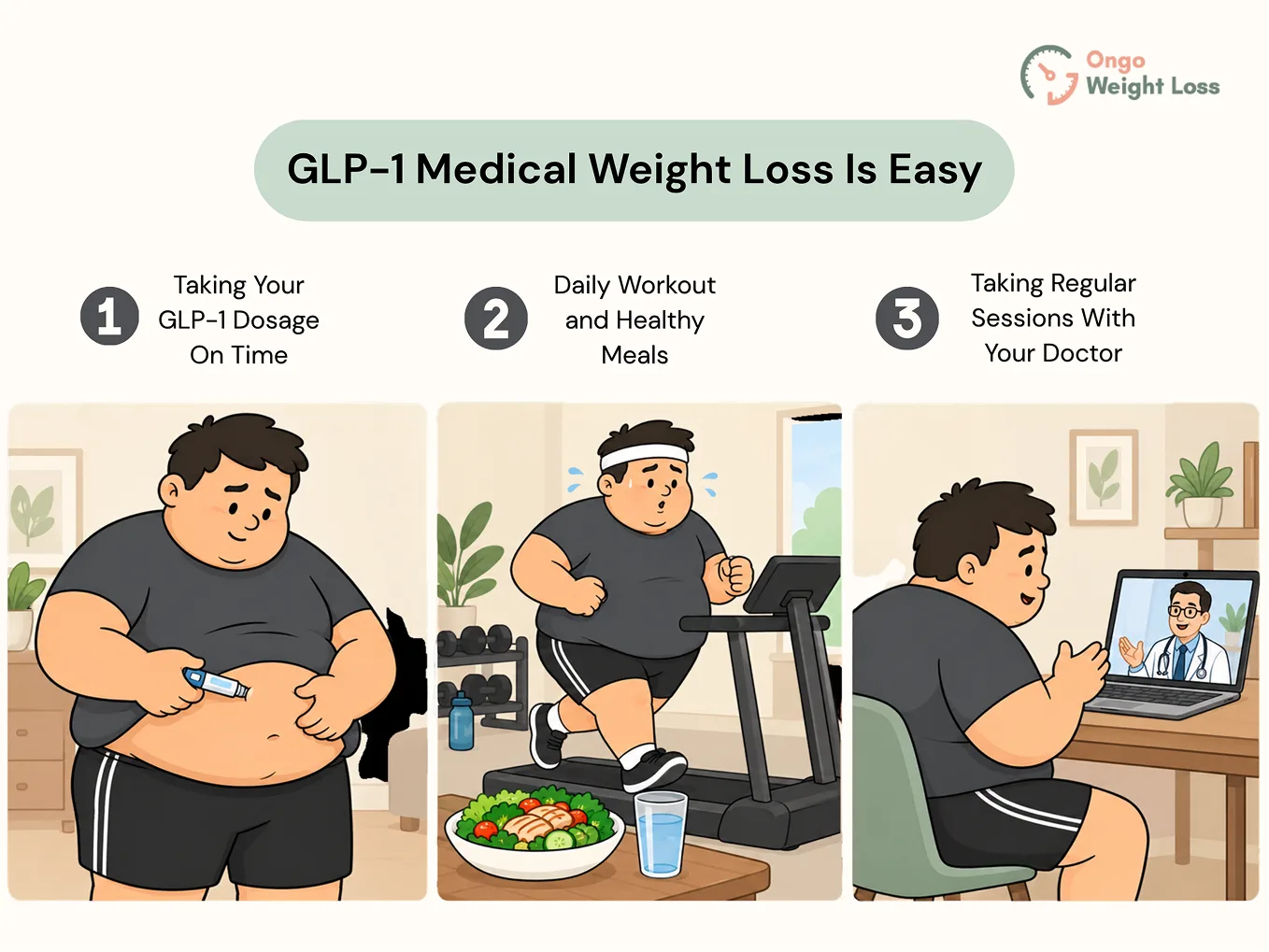
This is where weight loss medications can become another tool.
“I don’t want patients to look at a GLP-1 medication as a shortcut. If you’re losing weight, we also want to make sure you’re maintaining muscle, staying hydrated, and getting the nutrition your body needs,” says Dr. Jonathan Chance Miller, MD.
So, the goal is not to replace diet and exercise with medication. Instead, medication can be used alongside healthy eating, physical activity, sleep, and other lifestyle changes when it is medically appropriate.
Are GLP-1 Medications Safe to Use For Weight Loss?
For many people who meet the appropriate criteria, FDA-approved GLP-1-based medications can be used as part of a medically supervised weight-loss plan. However, they are prescription medications and are not suitable for everyone.
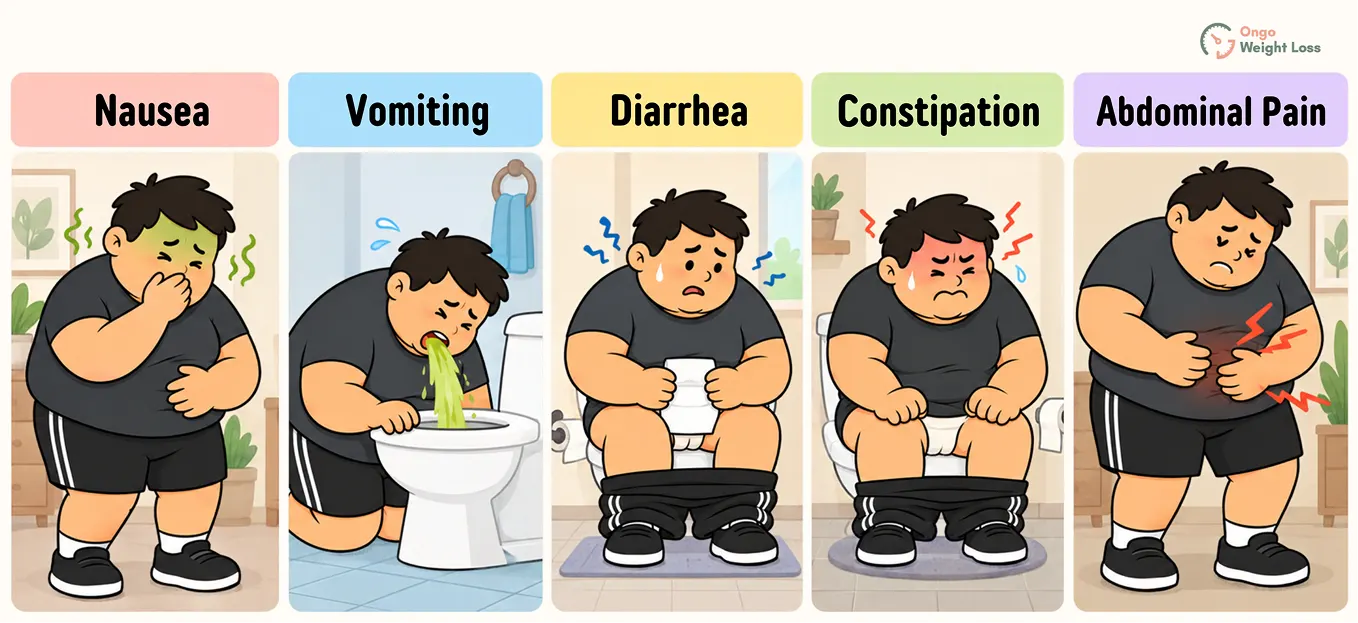
The most common side effects are gastrointestinal and may include:
- Nausea
- Vomiting
- Diarrhea
- Constipation
- Abdominal pain
These effects can be more noticeable when starting treatment or increasing the dose.
GLP-1 medications also have important warnings and precautions. Depending on the specific medication, these may include risks related to pancreatitis, gallbladder problems, kidney injury from dehydration, severe gastrointestinal reactions, and allergic reactions. Some medications also have specific contraindications.
That’s why, the team of Ongo Weight Loss takes patient safety as its utmost priority. There’s no doubt about the efficacy of GLP-1 medications but a smooth and safe experience comes with a right treatment plan. You need the right medication and dose for your individual needs.
Ongo Weight Loss follows 70+ healthcare measures for the entire patient care journey for right weight loss dosing. The medicines are sourced from trusted, legitimate, and regulated facilities. Not only that, our team has one of the best telehealth doctors on board for a warm and valuable consultation experience.
Who Is a Good Fit for GLP-1 Medications?
According to FDA, GLP-1-based medication may be considered when:
- You have obesity (BMI ≥30 kg/m²) and need additional medical support for weight management.
- You are overweight (BMI ≥27 kg/m²) and have a weight-related health condition.
- Lifestyle changes alone have not provided sufficient or sustainable weight management.
- You are willing to combine medication with healthy eating and physical activity, as these medications are intended to be used alongside lifestyle interventions.
A healthcare professional determines that the potential benefits outweigh the risks based on your medical history, current medications, and treatment goals.
Who Should Be More Cautious?
GLP-1 medications are not appropriate for everyone. Your healthcare professional may need to consider your medical history, other medications, and conditions that could affect your treatment. For example, certain semaglutide products should not be used by people with a personal or family history of medullary thyroid carcinoma (MTC) or by people with Multiple Endocrine Neoplasia syndrome type 2 (MEN 2).
What About Mental Health Side Effects of GLP-1 Medications?
The FDA conducted a comprehensive review of GLP-1 receptor agonists in 2026 and found no increased risk of suicidal thoughts or behavior associated with these medications.
Which GLP-1 Medications Are Commonly Used?
Several medications work through GLP-1 pathways and may be used for diabetes management, chronic weight management, or both.
Some commonly discussed GLP-1-based medications include:
- Semaglutide: Available under brand names such as Wegovy® and Ozempic®. These medications activate GLP-1 receptors, but their approved uses and dosing differ.
- Liraglutide: A GLP-1 receptor agonist available as Saxenda® for chronic weight management and Victoza® for certain diabetes indications.
- Tirzepatide: Sold as Zepbound® for chronic weight management and Mounjaro® for certain diabetes indications. Tirzepatide is different from GLP-1-only medications because it activates both GIP and GLP-1 receptors.
While these medications share some effects on appetite, fullness, and glucose regulation, they are not interchangeable. They have different dosing schedules, approved indications, safety considerations, and potential side effects.
The right medication depends on factors such as your health history, current medications, weight-management goals, and whether you have conditions such as type 2 diabetes. A qualified healthcare professional can determine whether a GLP-1-based medication is appropriate for you and which treatment best fits your individual needs.
Working Mechanism of Semaglutide, Liraglutide, and Tirzepatide
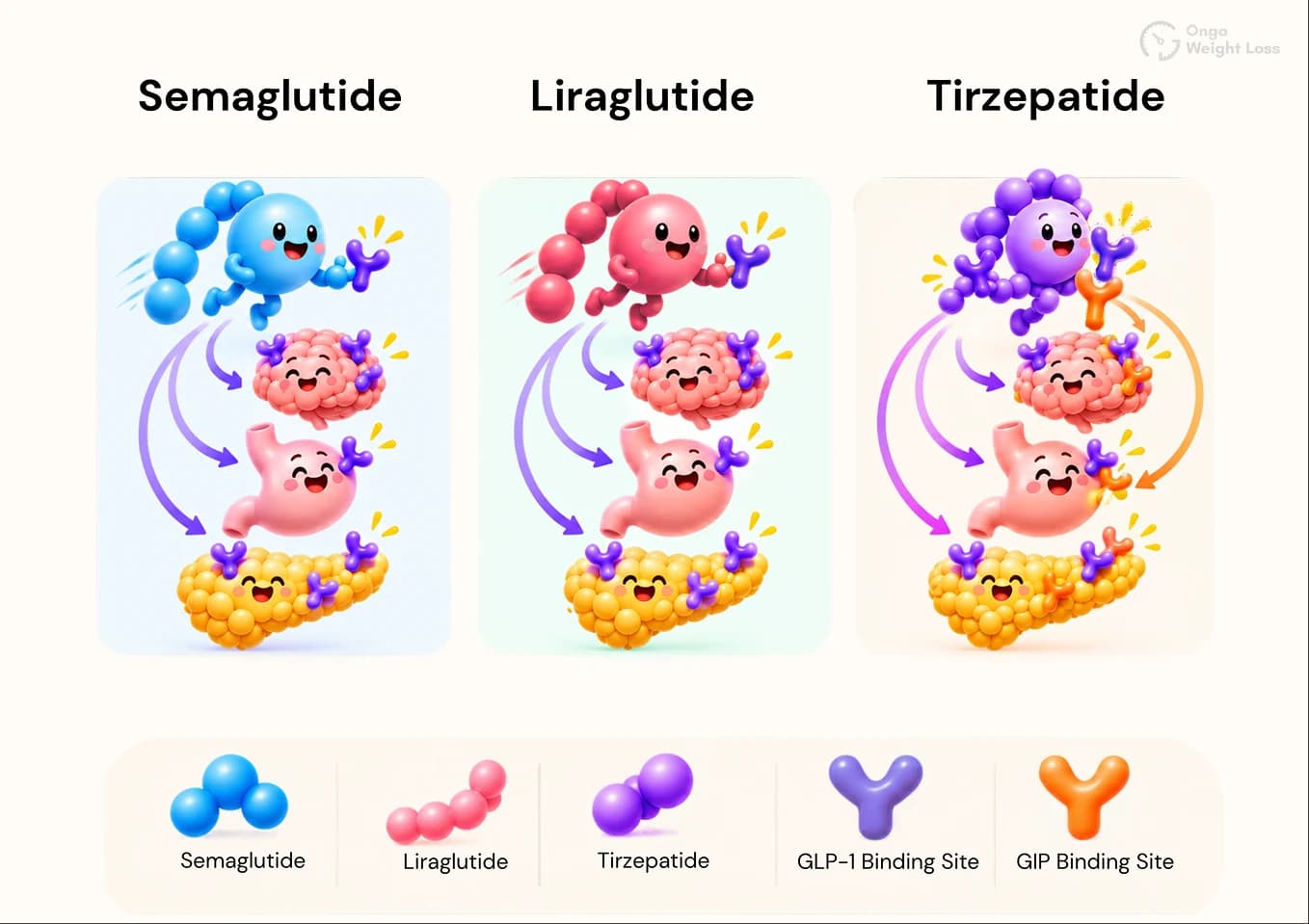
While semaglutide, liraglutide, and tirzepatide can all support weight management by affecting appetite, fullness, and blood sugar regulation, they do not work in exactly the same way.
Semaglutide
Semaglutide is a GLP-1 receptor agonist. It mimics the action of natural GLP-1 and remains active in the body much longer than the hormone your body naturally produces. By activating GLP-1 receptors, semaglutide can help reduce hunger, increase fullness, slow gastric emptying, and support blood sugar regulation.
Liraglutide
Liraglutide also works by activating GLP-1 receptors. Its effects include helping regulate appetite and food intake while supporting glucose-dependent insulin release and reducing glucagon when blood glucose is elevated. Like semaglutide, its weight-management effects are closely linked to changes in hunger, fullness, and food intake.
Tirzepatide
Tirzepatide works differently from GLP-1-only medications because it activates two hormone receptors: GIP and GLP-1. This dual action affects appetite and food intake while also supporting glucose regulation. By acting on both pathways, tirzepatide has a broader incretin-based mechanism than medications that activate GLP-1 receptors alone.
Where can you get Prescription For GLP-1s Medications?
Well, there are hundreds of telehealth providers offering GLP-1 prescriptions virtually. However, you need to be very cautious about cheap, non-verified, and unreliable pharmacies and providers. Even the FDA is concerned about telehealth providers who simply offer quick prescriptions without screening your health profile.
If you are looking for a trusted and verified provider for your GLP-1 prescription and medication delivery, here we are. Ongo Weight Loss is chosen by hundreds of patients because we value their comfort, safety, and emotions for a fit and healthy lifestyle.
How Much Weight Loss Can You Achieve Through GLP-1 Medications?

In clinical trials, some GLP-1-based and related incretin medications have produced average weight losses in the 15% to 25% range, depending on the medication, dose, treatment duration, and study population. Individual results vary.
The Future of GLP-1 Medications
GLP-1 treatment is moving beyond the once-weekly injections that have become familiar in weight management. Researchers are developing oral GLP-1 medications, higher-dose formulations, and medicines that target more than one metabolic pathway, potentially giving patients and clinicians more treatment options.
Major development is moving toward:
- Oral GLP-1 therapy including Orforglipron (Foundayo)
- Combination treatments
- Multiple hormonal pathways
I personally think the future GLP-1 medication treatment for weight loss will go beyond. Researchers and clinicians are increasingly interested in cardiometabolic health, long-term weight maintenance, tolerability, body composition, and choosing treatment according to an individual's health needs.
For patients, this means the future of GLP-1 therapy may offer more choices but having more medications does not mean that every option will be appropriate for every person. Treatment decisions should continue to be based on medical history, goals, risks, and guidance from a qualified healthcare professional.
Pros And Cons Of GLP-1 Agonists For Weight Loss
Pros
- Promote weight loss in eligible people.
- Reduce hunger and appetite, which may help reduce food intake.
- Increase feelings of fullness and satiety.
- Support long-term weight management when used as part of an appropriate treatment plan.
- May improve blood glucose, blood pressure, and lipid measures alongside weight loss.
Cons
- Gastrointestinal side effects such as nausea, vomiting, diarrhea, constipation, and abdominal discomfort are common.
- Potential risks include.
- Not appropriate for everyone; contraindications and precautions vary by medication.
- Individual weight-loss results vary.
The Bottom Line
GLP-1 receptor agonists are not a magic solution for weight loss. They are medications designed to work with your body's existing biology and can be an additional tool when lifestyle changes alone are not enough.
The goal is not to choose between medication or healthy habits. When medically appropriate, both can work together as part of a long-term approach to weight management.
If you are considering a GLP-1 medication, the right choice depends on your health, weight-loss goals, medical history, and guidance from a qualified healthcare professional.
References
Andersen A, Lund A, Knop FK, Vilsbøll T. Glucagon-like peptide 1 in health and disease. Nature Reviews Endocrinology. 2018;14:390-403. doi:10.1038/s41574-018-0016-2.
Full article — Nature Reviews EndocrinologyHolst JJ. GLP-1 physiology in obesity and development of incretin-based drugs for chronic weight management. Nature Metabolism. 2024;6:1866-1885. doi:10.1038/s42255-024-01113-9.
Full article — Nature MetabolismWilding JPH, Batterham RL, Calanna S, et al. Once-weekly semaglutide in adults with overweight or obesity. New England Journal of Medicine. 2021;384:989-1002. doi:10.1056/NEJMoa2032183.
Full article — New England Journal of MedicineJastreboff AM, Aronne LJ, Ahmad NN, et al. Tirzepatide once weekly for the treatment of obesity. New England Journal of Medicine. 2022;387:205-216. doi:10.1056/NEJMoa2206038.
Full article — New England Journal of MedicineU.S. Food and Drug Administration. Wegovy (semaglutide) Prescribing Information. Updated 2026.
Wegovy Prescribing Information — FDAU.S. Food and Drug Administration. Zepbound (tirzepatide) Prescribing Information.
Zepbound Prescribing Information — FDAU.S. Food and Drug Administration. FDA requests removal of suicidal behavior and ideation warning from glucagon-like peptide-1 receptor agonist (GLP-1 RA) medications. January 13, 2026.
FDA Drug Safety CommunicationNational Institute of Diabetes and Digestive and Kidney Diseases. Prescription Medications to Treat Overweight & Obesity.
NIDDK — Prescription Medications to Treat Overweight & ObesityNational Institute of Diabetes and Digestive and Kidney Diseases. Treatment for Overweight & Obesity in Adults.
NIDDK — Treatment for Overweight & ObesityNational Institute of Diabetes and Digestive and Kidney Diseases. Clinical Research Strategies for Sustainable Obesity Care.
NIDDK — Sustainable Obesity Care Research
Hi! I’m the Author!